The $260,000 Problem No One Talks About
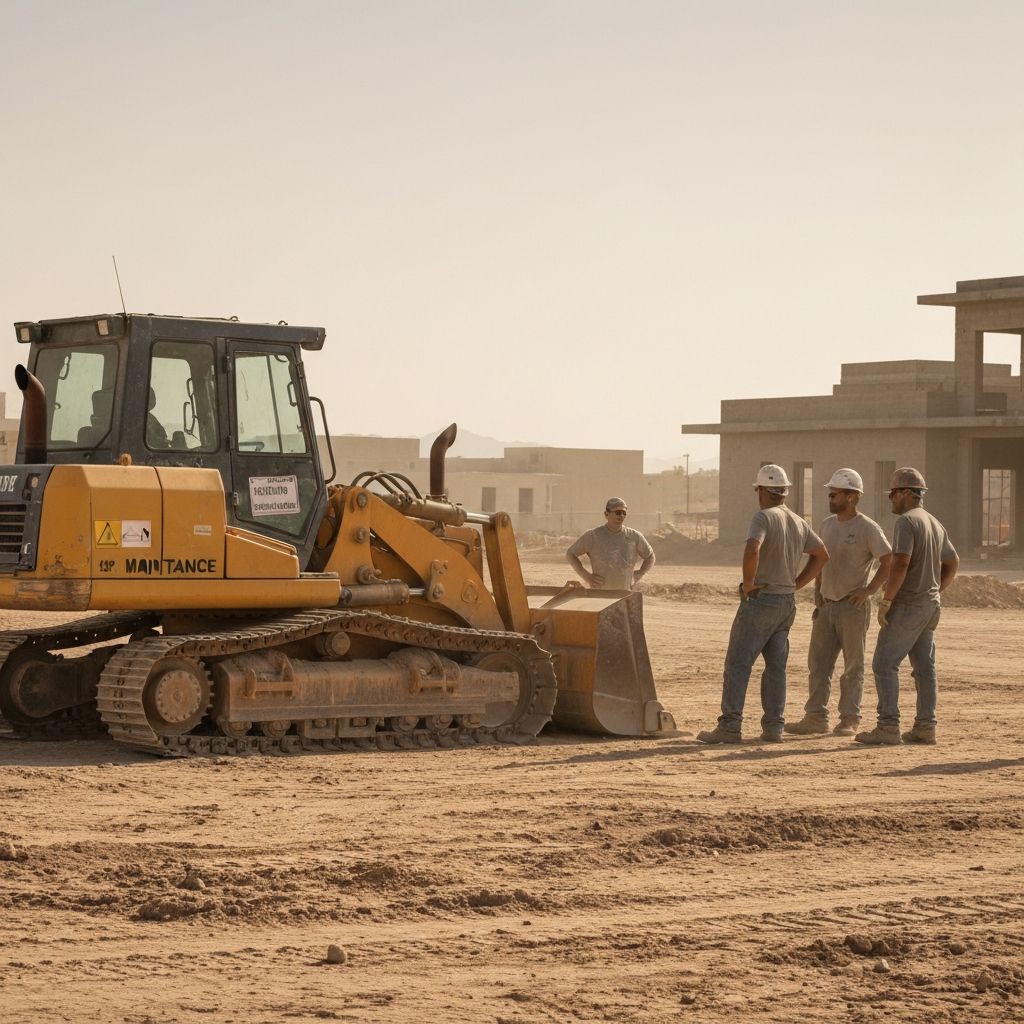
According to industry research, unplanned equipment downtime costs the average industrial business approximately $260,000 per year. For some industries, the number is far higher. In construction, a single excavator sitting idle on a job site can cost $1,000 to $3,000 per day in lost productivity, crew downtime, and project delays. In manufacturing, an unplanned production line shutdown can cost $10,000 to $50,000 per hour.
Yet many business owners continue to run equipment well past its reliable service life because they are trying to avoid the cost of replacement. The math rarely supports this decision. By the time you add up repair bills, lost revenue, crew downtime, missed deadlines, customer dissatisfaction, and the stress of wondering if your equipment will make it through the next job, the cost of keeping old equipment almost always exceeds the cost of financing a replacement.
The Five Hidden Costs of Equipment Downtime
1. Direct Repair Costs
This is the cost everyone sees: the repair bill. Parts, labor, diagnostics, and the service call itself. For aging equipment, repair costs accelerate exponentially. A machine that cost $2,000 per year in repairs during its first five years might cost $8,000 to $15,000 per year in years eight through ten. Emergency repairs cost even more because they often require after-hours service, expedited parts shipping, and premium labor rates.
2. Lost Revenue During Downtime
This is the cost most business owners underestimate. When a piece of equipment is down, it is not generating revenue. A concrete pump that bills $2,000 per day is losing $2,000 per day when it is in the shop. A CNC machine that produces $500 per hour in billable parts is losing $4,000 per shift when it is offline. For Mesa, Phoenix, and Tucson businesses where seasonal demand windows are critical, downtime during peak season can mean permanently lost revenue that cannot be recovered.
3. Labor Costs During Idle Time
When equipment breaks down, your employees do not stop costing money. You are paying operators, helpers, and support staff to wait while the equipment is repaired. In construction, an idle crew of three workers at $35 per hour costs $840 per day in wages alone. If the repair takes three days, you have spent $2,520 in labor for zero productive output.
4. Cascade Effects on Other Operations
Equipment downtime rarely affects just one process. When a key machine goes down, it creates bottlenecks that impact upstream and downstream operations. A broken loader means trucks waiting to be loaded. A broken packaging machine means finished products backing up on the production floor. A broken truck means deliveries delayed and customers waiting. These cascade effects multiply the true cost of downtime well beyond the single piece of equipment that failed.
5. Customer and Reputation Costs
Missed deadlines, delayed deliveries, and rescheduled appointments all erode customer confidence. In competitive markets like Phoenix, where customers have multiple options for almost every service, unreliable performance drives customers to competitors. The lifetime value of a lost customer often dwarfs the cost of the equipment repair that caused the problem.
How to Calculate Your Equipment Downtime Cost
The Simple Formula
To calculate the cost of equipment downtime for your business, use this formula for each piece of critical equipment:
Daily Downtime Cost = Lost Revenue per Day + Idle Labor Cost per Day + Repair Cost per Day + Cascade Impact Estimate
For example, consider a Phoenix-area contractor with a backhoe that generates $1,800 per day in billable work, has a two-person crew costing $560 per day in labor, and averages $500 per day in repair costs when broken. The daily downtime cost is $2,860 per day. If that backhoe breaks down for an average of 15 days per year, the annual downtime cost is $42,900.
A new backhoe financed through Equipment Finance Academy might cost $1,200 per month, or $14,400 per year. The financing cost is one-third of the downtime cost of keeping the old machine. The replacement pays for itself immediately.
Track Your Maintenance Records
Start documenting every repair, every breakdown, every hour of lost production. Most business owners are shocked when they see the actual numbers. A repair here and a breakdown there feel manageable in the moment, but the annual total is often staggering.
The Repair vs. Replace Decision Framework
The 50% Rule
If a single repair costs more than 50% of the equipment's current market value, replace the equipment. Investing half the value of the machine into a repair that provides no guarantee against the next failure is poor economics.
The Age and Frequency Rule
If your equipment has exceeded 75% of its expected service life and is breaking down more than twice per year, the reliability curve has turned against you. Each subsequent repair becomes more expensive and less likely to provide lasting results.
The Opportunity Cost Test
Ask yourself: what could you win, build, or produce with new reliable equipment that you are currently unable to pursue because you cannot trust your existing machines? In Arizona's competitive markets, the opportunity cost of unreliable equipment often exceeds all direct costs combined.
Why Financing Replacement Equipment Makes Sense Now
Preserve Cash for Operations
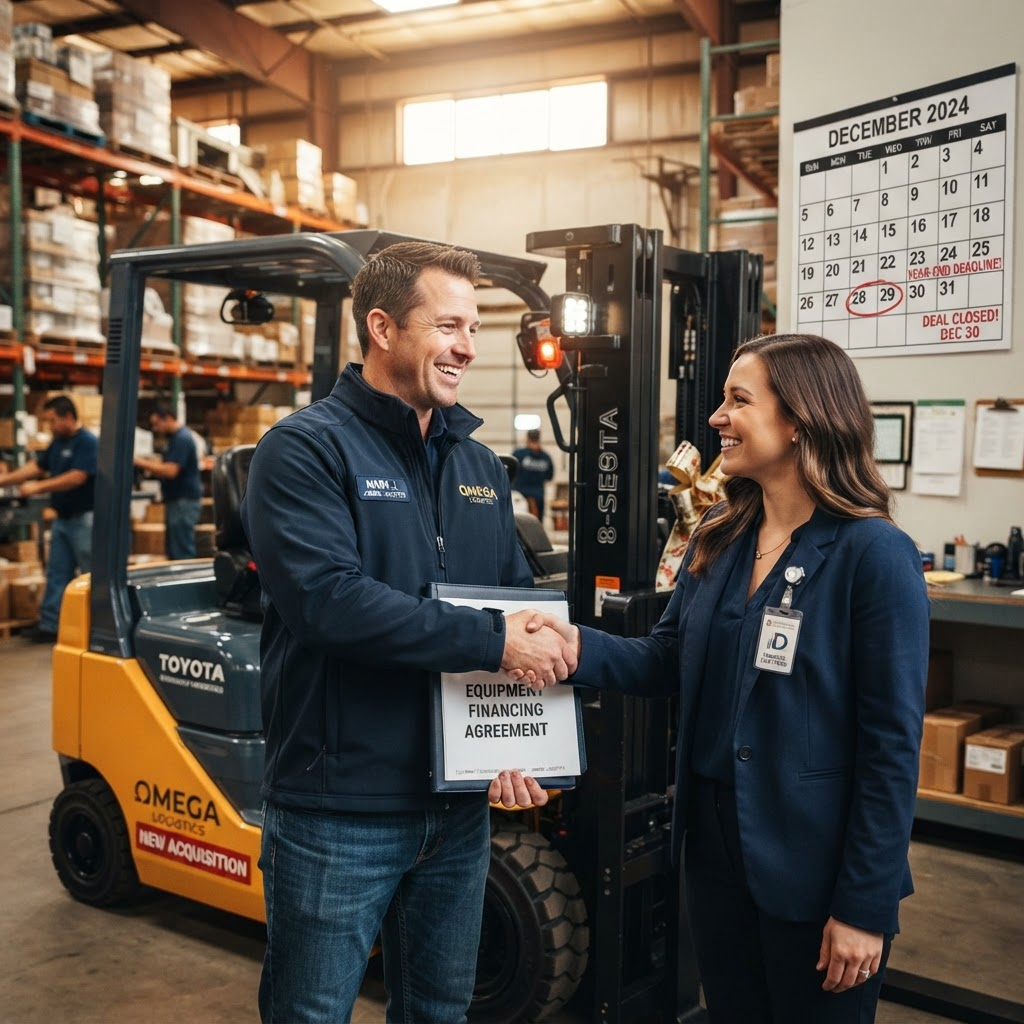
Financing spreads the equipment cost over 24 to 60 months while the new equipment starts generating revenue immediately. Instead of depleting your cash reserves for a replacement purchase, keep that capital available for payroll, materials, marketing, and the inevitable surprises that come with running a business.
Tax Advantages
Financed equipment qualifies for Section 179 deductions, allowing you to deduct the full purchase price in the year the equipment is placed in service. This means the tax savings from a new equipment purchase can offset a significant portion of the first year's financing payments.
Predictable Costs
A monthly equipment financing payment is a fixed, predictable expense. Repair costs on aging equipment are unpredictable and often come at the worst possible time. Replacing unreliable equipment with financed new equipment transforms a variable cost into a fixed cost, making your business finances easier to manage and forecast.
Stop Waiting for the Big Breakdown
The worst time to replace equipment is when it finally dies completely. At that point, you are under maximum pressure: you have active jobs waiting, customers getting impatient, and crews sitting idle while you scramble to find replacement equipment. This urgency means you have no negotiating leverage with equipment dealers and no time to shop for the best financing terms.
The best time to replace equipment is proactively, when you can plan the purchase, negotiate the price, arrange optimal financing, and schedule delivery around your operations. For Mesa, Phoenix, and Tucson businesses, Equipment Finance Academy makes proactive equipment replacement financially accessible.
Run the numbers on your aging equipment. If the downtime costs exceed the financing costs of a replacement, the decision is clear. Apply for equipment financing today or explore our programs to see how affordable replacement equipment can be.
Equipment Finance Academy
Equipment financing specialist with years of experience helping businesses acquire the equipment they need to grow and succeed.